01The gap between a proposal and a project
Bangladesh has no shortage of power proposals. Letters of intent, memoranda of understanding and unsolicited offers arrive every year. Far fewer reach financial close, and fewer still reach construction.
The reasons are rarely technical. A solar plant is well-understood engineering. What stops projects is everything around it: land, the grid connection, approvals across several agencies, the terms of the power purchase agreement, and the time it takes to line all of them up at once.
02Land and site: where projects stall first
Pre-feasibility and site selection
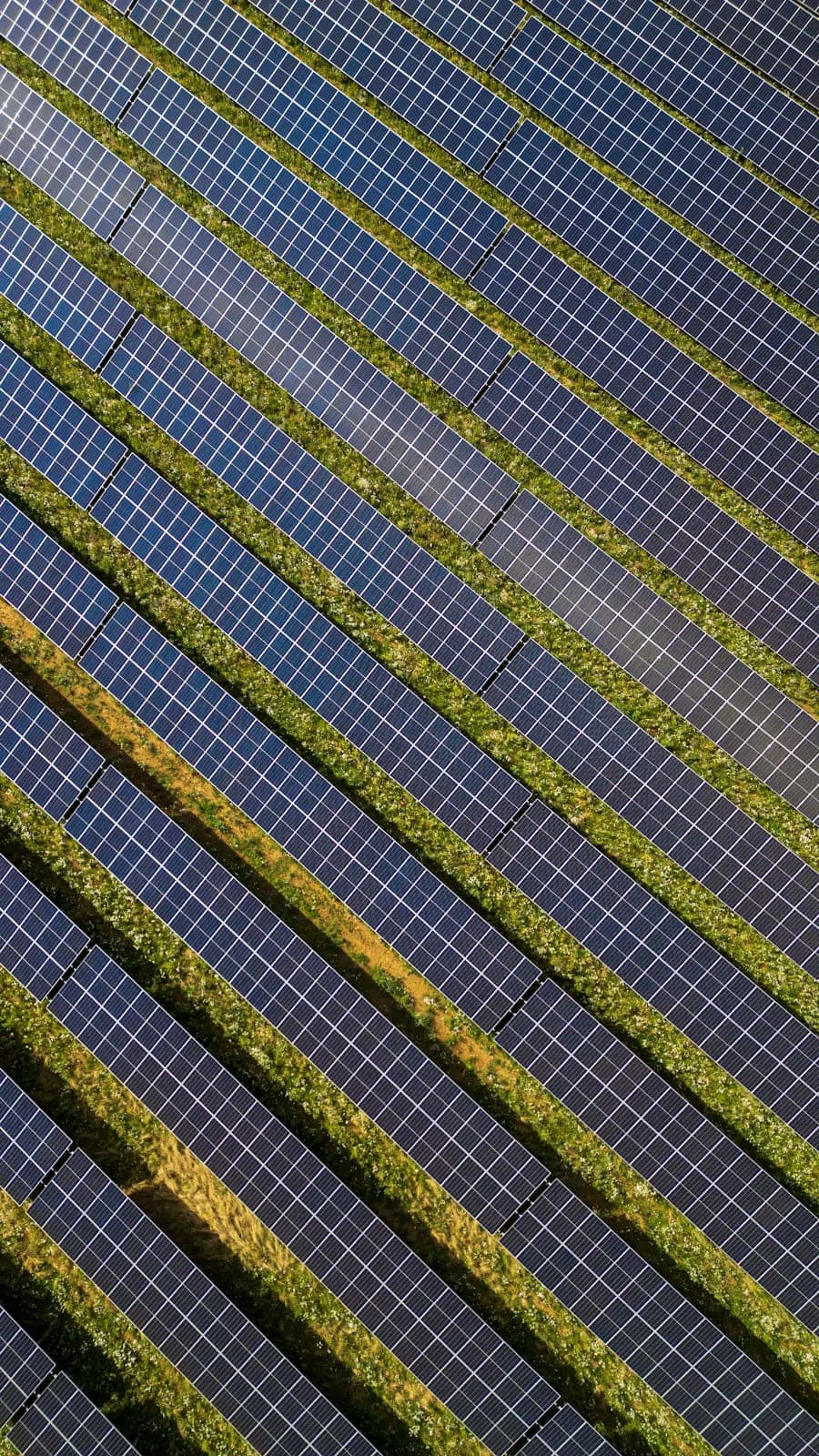
A utility-scale solar plant needs a large, contiguous site close to a substation with spare capacity. Land is one of the main constraints on utility-scale solar in Bangladesh, and assembling a site from many small holdings is where cost and time run away first.[5]
That is why the work starts with pre-feasibility: screening candidate sites for grid access, flood risk, land classification and ownership before anyone commits money to a proposal.
Digital survey and land records
A digital land survey, mapping plots, ownership and access, turns a promising site into a verifiable one. Lenders and reviewers ask for exactly this evidence, and most proposals arrive without it.
03Grid, tariff and bankability
A site without a realistic grid connection is not a project. Evacuation capacity, bay extensions and transmission timelines need to be settled with the grid company early, not studied after the proposal is accepted.
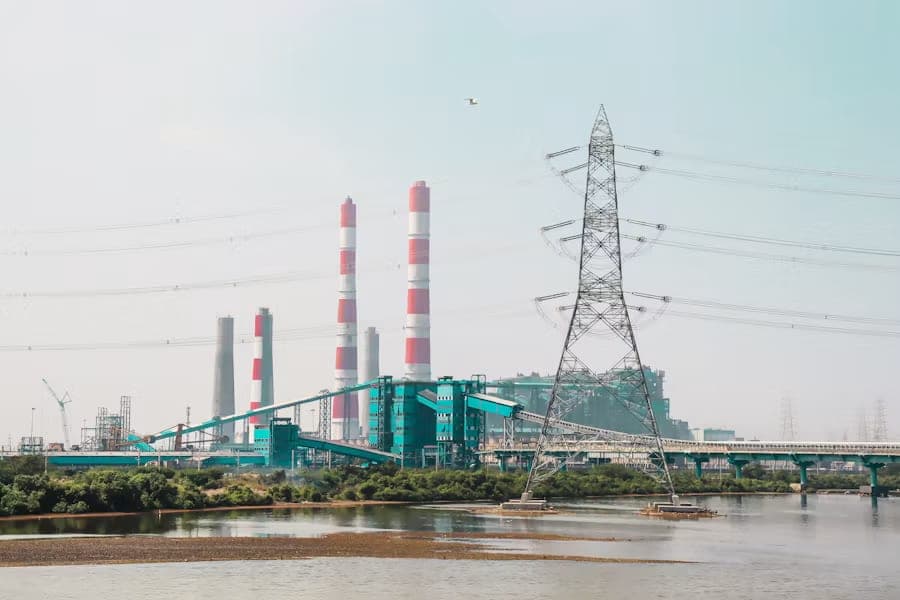
Tariffs have fallen sharply since the market moved to open, competitive bidding. In BPDB’s recent solar tenders, bids averaged 8.27 US cents per kWh, against 13.29 cents under the earlier negotiated deals.[2] That is good for the buyer, but it leaves less margin for delay, which makes preparation more valuable, not less.
Bankability now rests on the contract terms themselves: payment security, termination rights and compensation. Investors have raised concerns about those terms in recent tenders, and lenders read them closely.[1][5]
| Stage | What stalls it | What moves it |
|---|---|---|
| Pre-feasibility | Unverified sites | Screened sites, grid proximity, land status |
| Land | Fragmented ownership | Digital survey, a clear acquisition path |
| Feasibility | Optimistic assumptions | Full technical, financial and regulatory study |
| Approvals | Many agencies, no owner | A stakeholder map and someone following every file |
| Finance | An unclear structure | Banking, offshore accounts, tax and repatriation planned early |
04The route has changed: PPP and IPP
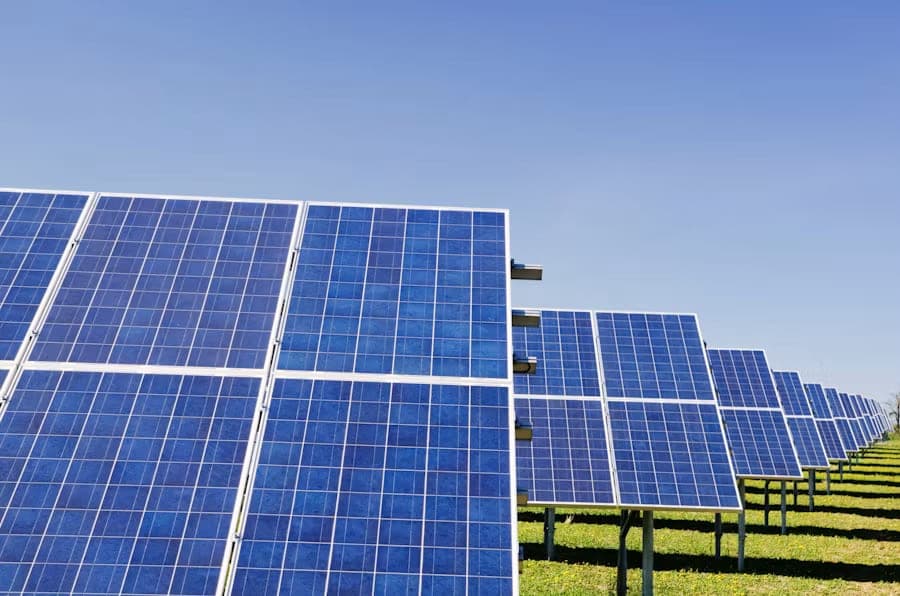
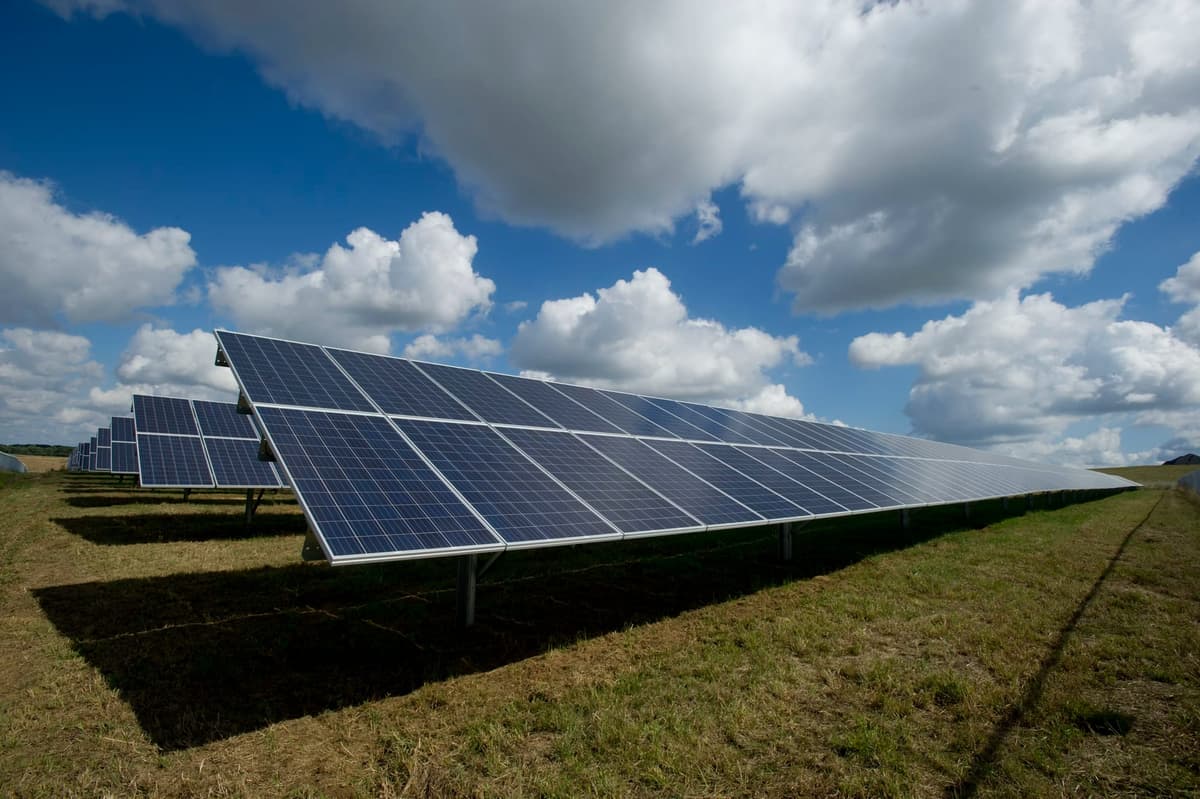
Since the political transition of August 2024, the letters of intent for 37 renewable power projects have been cancelled and procurement has moved to open tenders.[1] Independent power producers now compete for capacity that BPDB puts out to tender. In May 2026 BPDB signed agreements with 12 of them for 918 MW of solar at an average of 7.80 US cents per kWh,[6] and the new government is looking again at renewable projects cancelled in 2024.[7]
In April 2026 the Power Division issued guidelines that let private developers build renewable plants on government-owned land under the PPP model, with BPDB as the contracting authority and the PPP Authority coordinating between agencies.[3] They sit under the Renewable Energy Policy 2025, which targets 20 percent of electricity from renewables by 2030 and 30 percent by 2040.[4]
“The capital and the technology are the easy part.”
For a sponsor, the practical question is which route fits the project (a BPDB tender, a PPP on public land, or a private site) and what each one requires on the ground.
05Where a local partner fits
Each of the stages above has a piece of work that decides whether the project moves. This is the work I do for sponsors and developers:
- Pre-feasibility and site selection. Location, grid proximity and land status, screened before money is committed.
- Land and digital survey. Ownership mapping and a realistic acquisition path a lender can check.
- Full feasibility. The technical, financial and regulatory case in one document reviewers and lenders can read.
- Government stakeholders and approvals. Introductions, meetings and follow-up with BPDB, the Power Division, SREDA, the grid company and every office that signs.
- Project audit. An independent check of the whole file before it goes to a reviewer or a lender.
- Law, banking, tax and finance. Bangladesh law, local and offshore banking, NBR and IRD requirements, and the finance structure behind the project.
None of this replaces the sponsor’s own team. It gives them someone on the ground who knows which document each office will ask for, and follows it until it is signed.