01Where solar stands
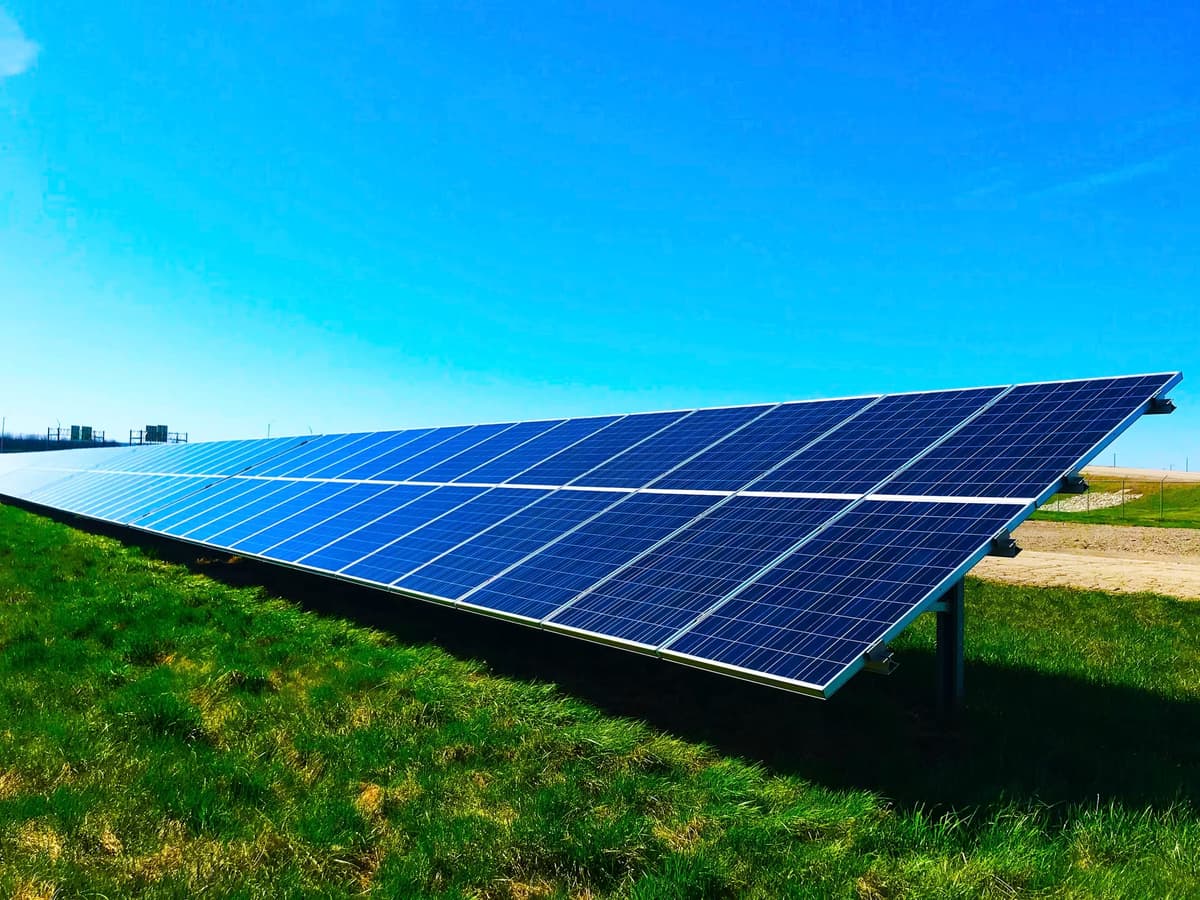
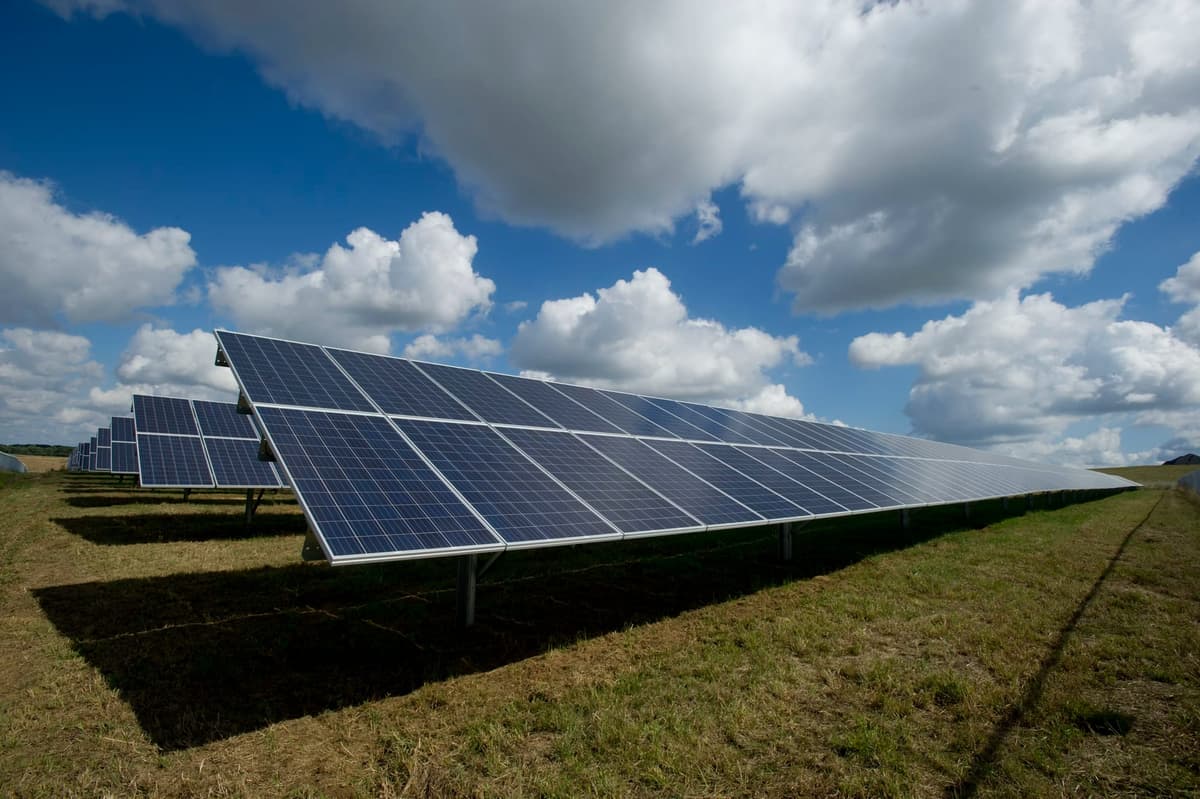
Solar is still a small part of the system. Installed solar capacity was about 1,513 MW in mid-2026, out of roughly 1,805 MW of clean energy capacity.[1] Industrial rooftops are the fastest-growing segment: the official rooftop figure is 418 MW, while IEEFA counted 667 MW across 239 sites.[2]
02The largest plants in operation
03Yield: what a megawatt produces
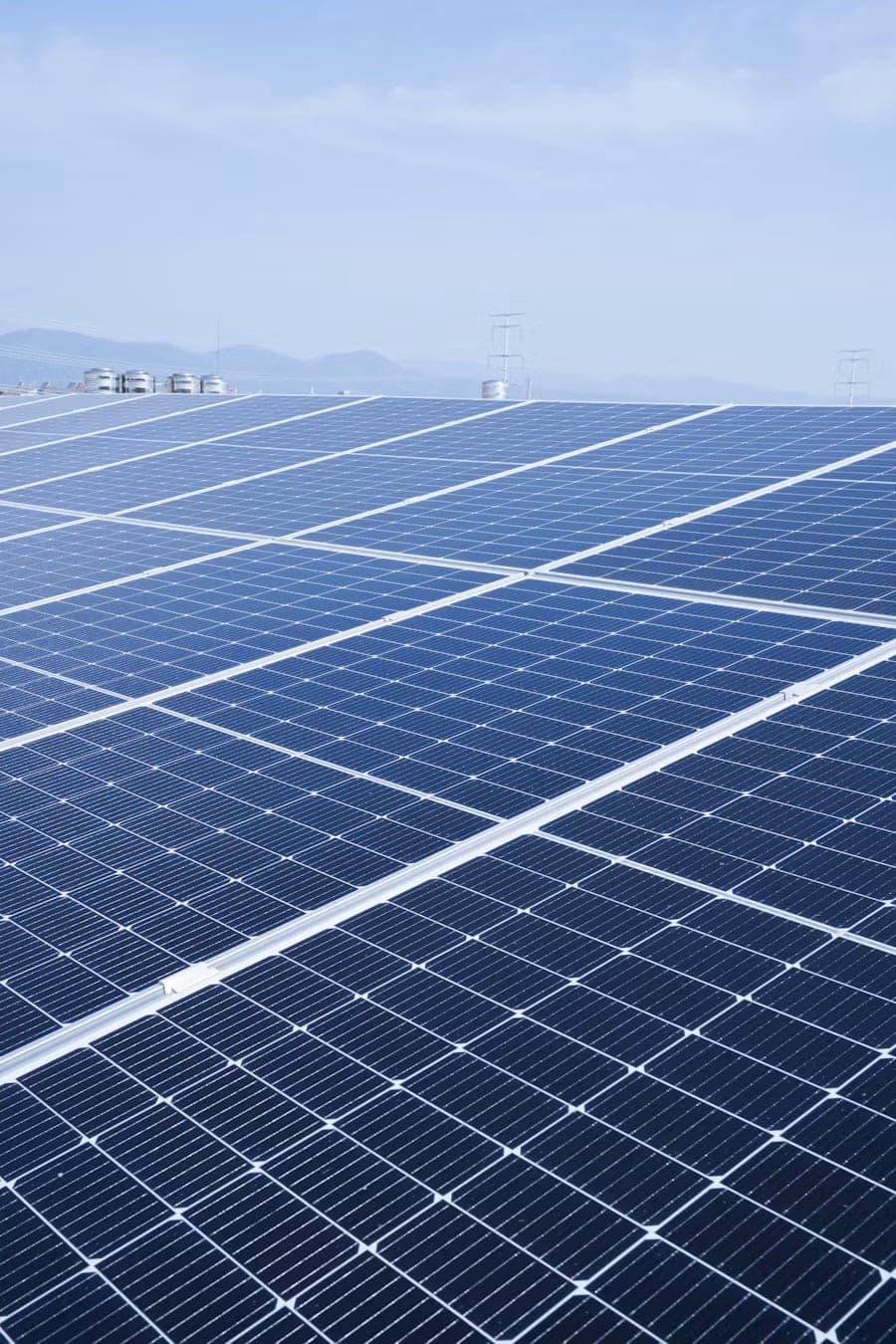
The best-documented Bangladeshi plants deliver a plant load factor of around 20 to 22 percent. The 50 MW Sutiakhali plant in Mymensingh produced about 96 GWh in FY2022-23, a plant factor of 21.9 percent.[8]
Yield depends on more than sunshine. Flooding and soft soils raise civil costs, soiling and haze cut output, and a plant the grid cannot always take will produce less than its model says. A bankable yield study treats each of these as an uncertainty, not a footnote.
04Land: the hardest part
The Mymensingh plant used about 3.48 acres per megawatt, and buying its land took around two years, because the country’s land-use policy restricts converting fertile farmland.[9] In one of the most densely populated countries in the world, large flat plots close to a substation are scarce.
This is why government land matters. The 2026 PPP guideline opens land held by public agencies to renewable projects of 50 MW and more.[10]
05Tariffs and tenders
Competitive bidding has changed the economics. In BPDB’s 2024-25 solar tenders, bids averaged 8.27 US cents per kWh, against 13.29 cents under earlier negotiated deals.[11] Interest was uneven: in the 2025 round, 23 packages drew a single bid and 13 drew none.[12]
In May 2026 BPDB signed agreements with 12 IPPs for 918 MW at an average of 7.80 US cents per kWh, with commercial operation expected in 2028 and 2029.[13]
Rooftop solar is moving faster. The Net Metering Guideline 2025 raised the limit to 100 percent of a customer’s sanctioned load and opened net metering to more customers.[14]
06What makes a solar plant bankable
- A site that is verified. Title, flood level, access and non-agricultural status confirmed by survey, not assumed.
- A grid connection that is agreed. Evacuation capacity at the nearest substation confirmed with the grid company.
- A yield that is defensible. P50 and P90 estimates from site data, with soiling, degradation and curtailment included.
- A tariff that covers the risks. Priced for the land, the connection and the payment terms of the buyer.
“In Bangladesh the sun is the easy part of a solar project.”