01How much capacity, really
The 2023 master plan expected peak demand of about 50 GW by 2040.[1] The 2026 plan’s business-as-usual case is about 41 GW, and the Centre for Policy Dialogue argues that 2040 demand should be planned at 30 GW or less.[2] With a reserve margin above 60 percent in FY2024-25,[3] the next decade is less about adding megawatts than about replacing expensive ones.
02Solar, with storage
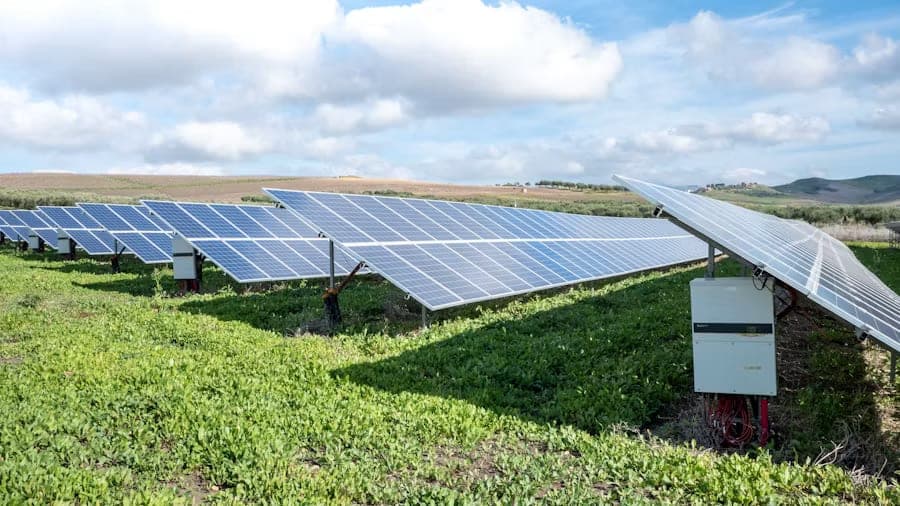
Solar is the quickest capacity to build and needs no imported fuel. IEEFA’s roadmap calls for 5,500 MW of renewables and 500 MW of three-hour battery storage by 2030, alongside phasing out 1,000 MW of old gas plants.[4] The World Bank makes the same case for utility-scale and rooftop solar, backed by investment in the grid.[5]
Storage is what turns midday solar into evening power, when demand peaks. Without it, more solar mainly displaces daytime gas.
03Efficient gas, not more oil
Gas will remain the backbone for years, but the fleet can use it better. IEEFA recommends cutting oil-fired generation from about 11 percent of the total to 5 percent, and adding no new fossil capacity.[3] Repowering old gas units to combined cycle gets more electricity from the same fuel.
04Wind
Bangladesh has real wind potential: a 2018 NREL study found more than 30 GW of gross potential. The first large wind farm, 60 MW at Cox’s Bazar, has so far run at a capacity factor of about 17 percent, below the 23 percent expected.[6] Wind needs better resource data and a clear procurement route before it can grow.
05Regional hydro and nuclear
Hydropower from Nepal already reaches Bangladesh through India: 40 MW during the wet season, with a further 20 MW agreed but awaiting approval.[7] Regional trade can add clean power without using land at home, if the transmission and agreements follow.
The first 1,200 MW unit at the Rooppur nuclear plant completed fuel loading in May 2026.[8] Nuclear adds large, steady capacity, but it is expensive and takes many years to plan and build.
06A sensible order
| Priority | What | Why |
|---|---|---|
| 1 | Solar with storage | No fuel imports, fastest to build |
| 2 | Grid and interconnection | Lets existing and new plants deliver |
| 3 | Efficient gas and repowering | More power from scarce gas |
| 4 | Wind and regional hydro | Spreads supply beyond solar |
| 5 | Retire oil and old steam units | Removes the most expensive units first |
“The next plant Bangladesh builds should lower the average cost of a unit, not raise it.”
For sponsors, that is the test to apply before any feasibility study: will this plant make electricity cheaper, more secure or cleaner than what it replaces?