01What the guideline is
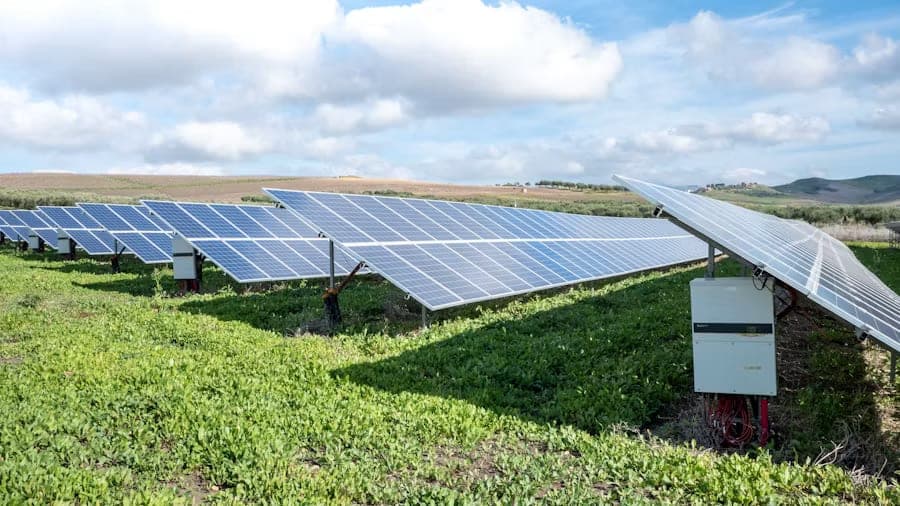
On 12 April 2026 the Power Division unveiled the Guidelines for Development of Renewable Energy Projects using Land Owned by Government Agencies under PPP Modality, 2026.[1] They let private developers build renewable plants on land that belongs to public bodies, instead of assembling private plots themselves.
The land sits with agencies such as Bangladesh Railway, the Roads and Highways Division, the Bangladesh Bridge Authority and the Bangladesh Water Development Board.[1] Land held by these agencies often comes in long strips or scattered parcels (rights of way, embankments, reserve land), so site screening matters even more than on a single private plot.
02Who does what
The guideline spreads the work across several institutions. Knowing which one owns each decision saves months.
| Role | Who | What they do |
|---|---|---|
| Contracting authority | BPDB | Selects the private partner and oversees implementation |
| Coordination | PPP Authority | Resolves issues between the agencies involved |
| Regulation | SREDA | Nodal agency for regulatory and facilitation work through the project’s life |
| Grid | Power Grid Bangladesh PLC | Transmission and grid connection |
| Land | The land-owning agency | Signs a three-year MoU with BPDB; receives lease payments, a minority equity stake, or both |
| Developer | The private sponsor, through an SPV | Wins the bid, then finances, builds and operates the plant |
03How a project is selected
Developers are selected through international competitive bidding or another PPP-compliant method.[1] Solar and wind projects must be at least 50 MW; smaller tidal, wave and geothermal projects can go ahead with Power Division approval.[1] Each project is carried by a special purpose vehicle.
In practice this looks more like a tender than a negotiation. The sponsors who do well are the ones who have already studied the site, the grid connection and the numbers before the bid documents come out.
04What changes for a sponsor
Land
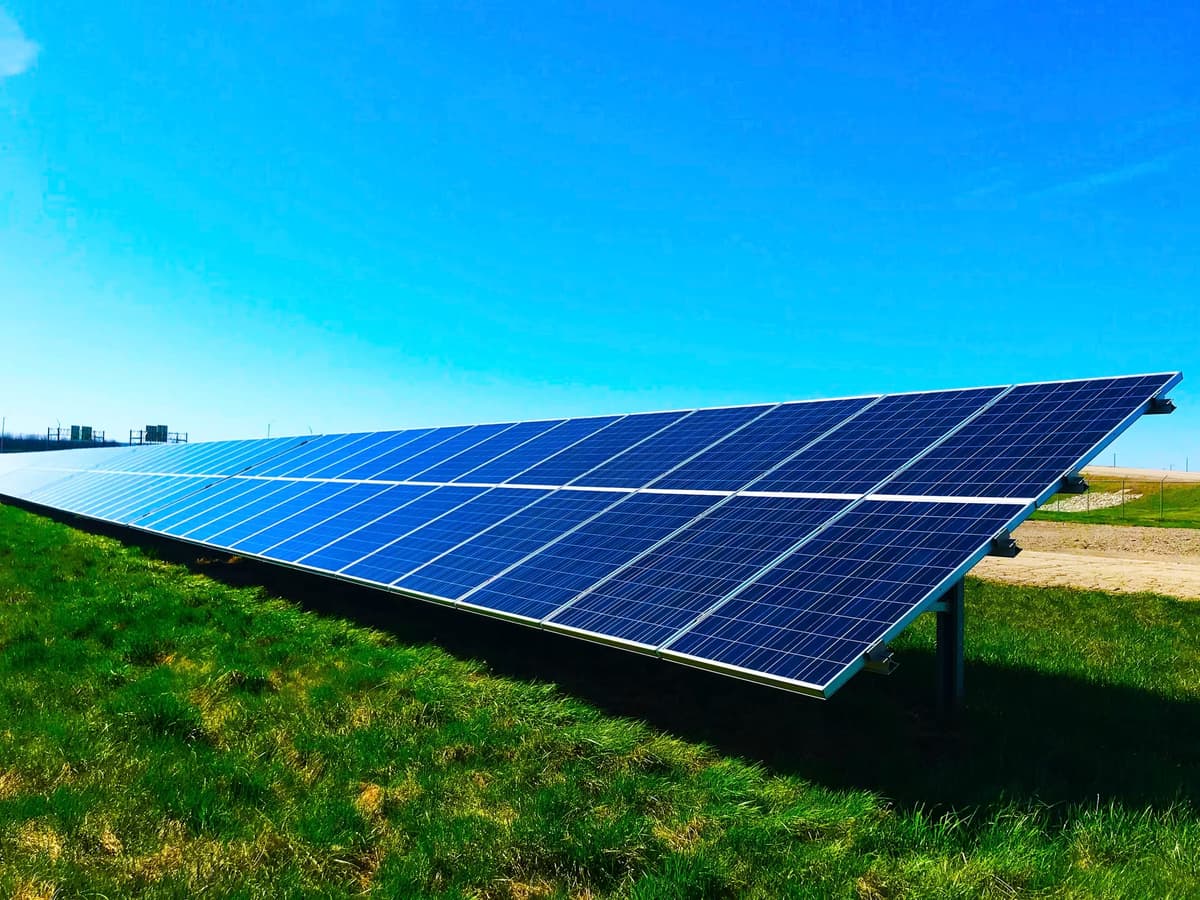
Land is one of the main constraints on utility-scale solar in Bangladesh.[2] Under a normal BPDB tender, the developer has to find and secure it. Under the PPP route, a public agency identifies the land and makes it available through the MoU, which is the single largest change.
A return for the land-owning agency
The agency is paid through lease payments, a minority equity stake, or a mix of the two, depending on the project.[1] A sponsor needs to price that into the model from the first pre-feasibility study, not after the bid.
05What does not change
The guideline solves access to land. It does not solve everything else.
- Grid. The site still needs evacuation capacity at a nearby substation, and Power Grid Bangladesh has to agree the connection.[1]
- Contract terms. Lenders will still read the power purchase agreement for payment security, termination and compensation, terms investors have questioned in recent tenders.[2][3]
- Approvals. Environmental clearance and the permits and registrations every power project needs, across several offices.
- Finance. Local and offshore banking, foreign-exchange and repatriation planning, and NBR tax treatment still have to be structured for the SPV.
“Free land is not a free project.”
06How to prepare for a PPP bid
The work before the bid decides the bid. For government land, I would do it in this order:
- Screen the candidate sites. Grid distance, flood risk, access and any existing use of the land.
- Survey them digitally. Map boundaries and encroachments so the land schedule in the bid is accurate.
- Study the grid connection. Talk to the grid company early about capacity at the nearest substation.
- Build the full feasibility case. Technical, financial and regulatory, including the land agency’s share.
- Map the stakeholders. BPDB, the PPP Authority, SREDA, the land-owning agency and the grid company each have a role. Know who signs what.
- Structure the finance. Banking, offshore accounts, NBR and IRD requirements, and repatriation, planned before the bid.