01Route 1: a BPDB tender (IPP)
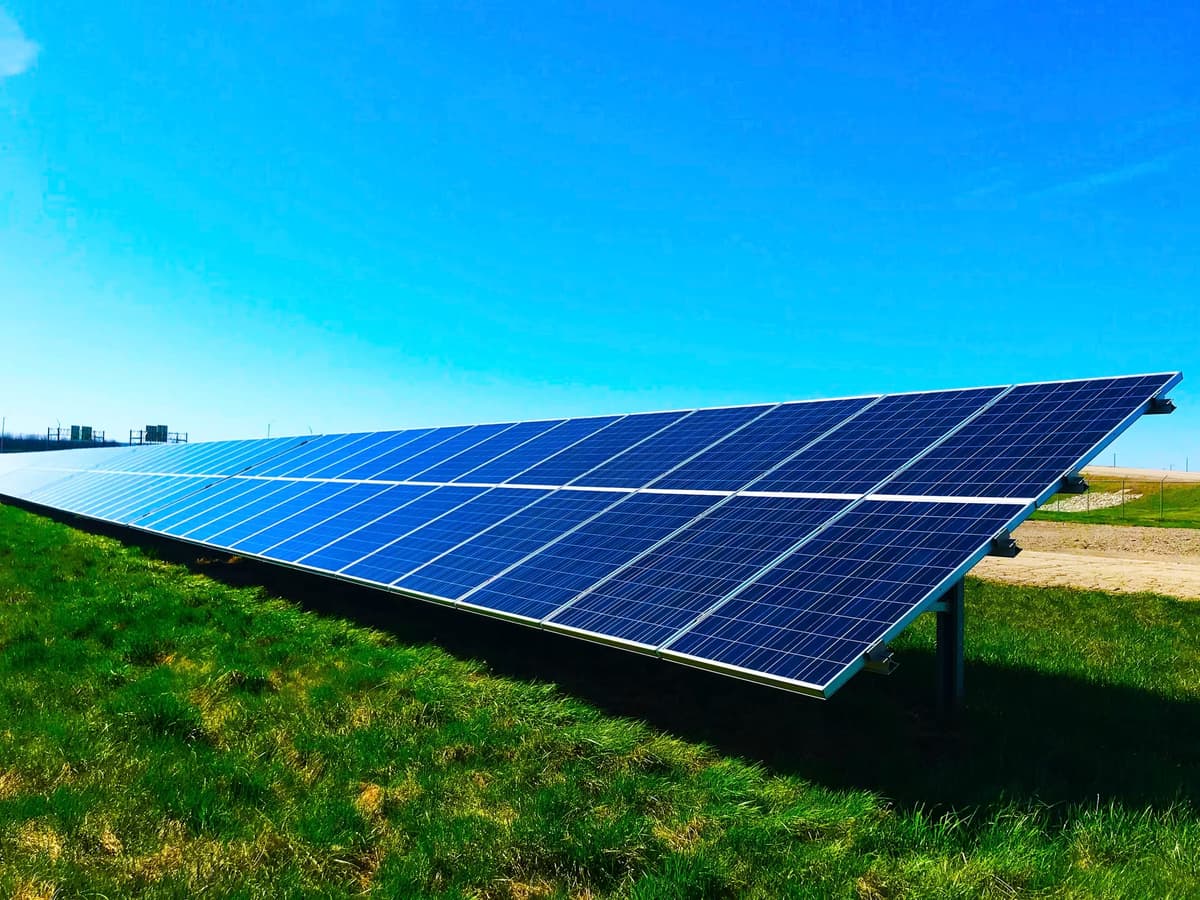
Since the move away from unsolicited deals, BPDB buys new solar capacity through open tenders.[1] Between December 2024 and March 2025 it tendered 55 grid-connected solar plants with a combined 5,238 MW, in four packages.[2]
Competition has pushed prices down. Bids in those tenders averaged 8.27 US cents per kWh, against 13.29 cents under the earlier negotiated deals; the lowest was 7.49 cents.[2]
The sponsor finds and secures the land, and signs a power purchase agreement with BPDB. The open questions for lenders are the contract terms: payment security, termination, and the absence of the government implementation agreements earlier projects had.[1][2]
02Route 2: PPP on government land
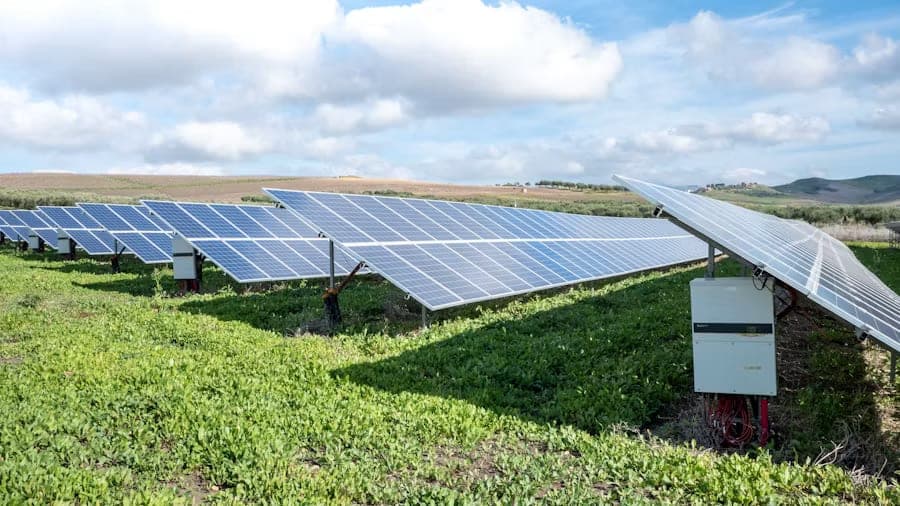
Since April 2026, land held by government agencies can be offered for renewable plants under the PPP model, with BPDB as the contracting authority and developers chosen by international competitive bidding.[3] Solar projects must be at least 50 MW.[3]
The big difference is land: the agency provides it, in return for lease payments, a minority equity stake or both.[3] Grid, contract and finance risk stay with the project.
03Route 3: a merchant plant selling to large consumers
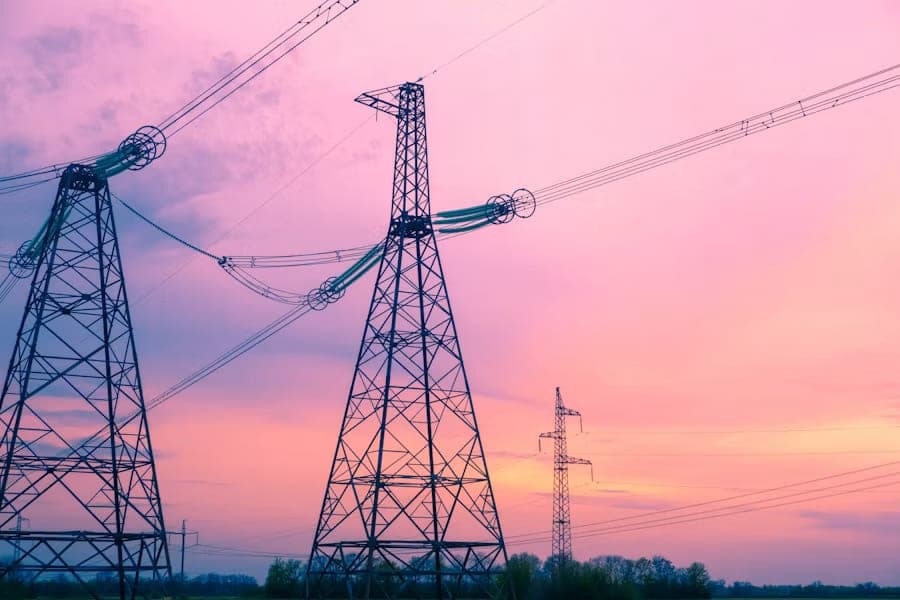
A policy gazetted in October 2025 lets private investors build renewable merchant power plants (MPPs) and sell the output directly to large and bulk consumers under negotiated contracts, wheeling it over the national grid on open access.[6][4]
The rules are specific. Buyers qualify by connection voltage, from under 5 MW at 11 kV to more than 140 MW at 230 kV. A distribution utility may buy up to 20 percent of the plant’s output but is not obliged to, there is no government guarantee, and the system operator can limit output for system security without compensation. Each project needs Power Division approval and a BERC licence, and SREDA can issue renewable energy certificates that pass to the buyers.[6]
This is the closest Bangladesh has to a corporate PPA. Export manufacturers, especially garment and textile factories whose buyers ask for green power, are the natural customers. The buyer’s credit matters as much as the plant’s, and the open-access charges set by BERC decide how much of the saving reaches the buyer. Rooftop systems are a separate case, covered by the Net Metering Guideline 2025.[4]
04The three routes side by side
| BPDB tender (IPP) | PPP on government land | Merchant plant (MPP) | |
|---|---|---|---|
| Land | Sponsor secures it | Government agency provides it | Sponsor secures it |
| Buyer | BPDB | BPDB | Large or bulk consumers |
| Price | Competitive bid | Competitive bid | Negotiated with each buyer |
| Selection | Open tender | International competitive bidding | Power Division approval and a BERC licence |
| Main risk | Land and contract terms | Grid and contract terms | Buyer credit and open-access charges |
05How to choose
Three questions settle most of it:
- Do you already have land? A secured private site points to a BPDB tender or a merchant plant. No site points to PPP.
- Who will buy the power? BPDB for the first two routes. For a merchant plant, factories with a balance sheet a lender will accept, and a daytime load that matches solar output.
- How will the money move? Local and offshore accounts, NBR and IRD requirements, and the repatriation plan look different for each route. Settle them early.
“Choose the route from the site and the buyer. Everything else follows.”
Whichever route you take, the same groundwork comes first: pre-feasibility and site selection, land and digital survey, a full feasibility study, government approvals, an independent audit of the file, and a finance structure that works under Bangladesh law and banking rules. That is the work I help sponsors with.