01Plant factor: how much of the capacity is used
Plant factor compares what a plant actually produces with what it could produce running at full output all year. For the whole fleet, dividing FY2024-25 generation (101,187 GWh) by installed capacity (27,414 MW) gives about 42 percent.[1]
Part of that is normal, because demand is lower at night and in winter. Most of it is not. Plants stand idle because there is no gas for them, and some were never needed: a review committee set up after August 2024 estimated that 7,700 to 9,500 MW of capacity is unnecessary or unusable.[4]
02Efficiency: how much fuel each unit takes
Efficiency is the share of the fuel’s energy that becomes electricity, and the difference between technologies is large. When the World Bank financed the repowering of Ghorasal Unit 4, the old gas steam unit was about 31 percent efficient. Converting it to combined cycle was expected to raise that to about 54 percent, from the same gas.[2]
With gas this scarce, the gap matters more than ever. Every cubic foot burned in an old steam plant instead of a combined cycle plant produces far less electricity.
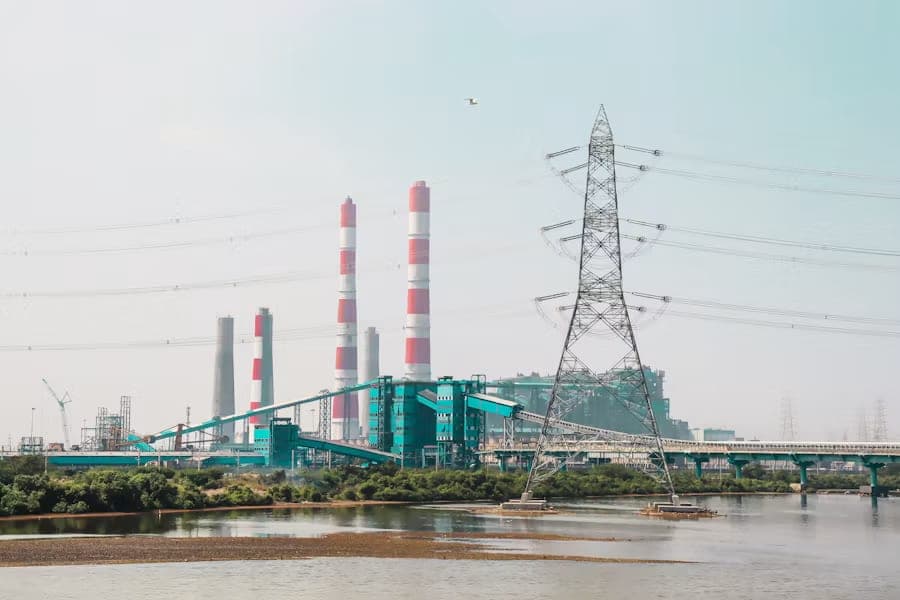
03Fuel cost: what each unit costs to make
| Fuel | Cost per kWh |
|---|---|
| Gas | Tk 7.09 |
| Coal | Tk 13.20 |
| Liquid fuel (oil) | Tk 27.39 |
Gas remains the cheapest fuel when it is available, and oil the most expensive by far.[3] Even within one technology the spread is wide. Among the large coal plants, the tariff at Matarbari is about Tk 8.45 per unit, against Tk 13.57 at Rampal and Tk 12 at Payra, which is why the government has moved to review the latter two.[5]
04Losses between the plant and the customer
Efficiency does not end at the plant fence. Transmission and distribution losses were 10.13 percent in FY2024-25, slightly higher than the year before.[6] Every point saved is generation that no longer has to be built or fuelled.
05What an efficiency-first plan looks like
The practical steps follow from the numbers:
- Retire the least efficient units. The quick rental plants have been retired, according to the Power Minister.[7] Old steam units and high-cost oil plants are next in line.
- Repower rather than add. Converting old units to combined cycle gets more power from the same gas.
- Pay for energy, not idle capacity. Contracts that pay for electricity delivered, rather than for availability, put the fuel risk where it can be managed.
- Cut network losses. Metering, maintenance and grid upgrades are some of the cheapest megawatts there are.
“The cheapest megawatt is the one you get from fuel you already burn.”
For a sponsor, efficiency is also the strongest commercial argument. A project that lowers the cost per unit, or saves scarce gas, is easier to justify to reviewers and lenders than one that simply adds capacity.