01The network in brief
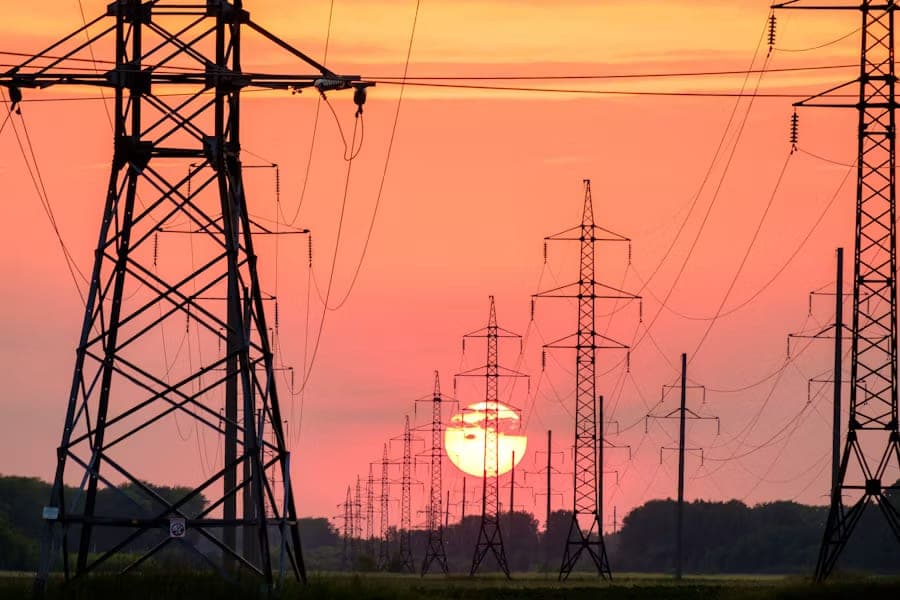
Power Grid Bangladesh PLC (PGCB) runs the high-voltage network. In June 2023 it operated 14,717 circuit kilometres of lines with 61,525 MVA of substation capacity.[1] The network has grown fast, but not always at the same pace as the plants connected to it.
02When the plant is ready and the line is not
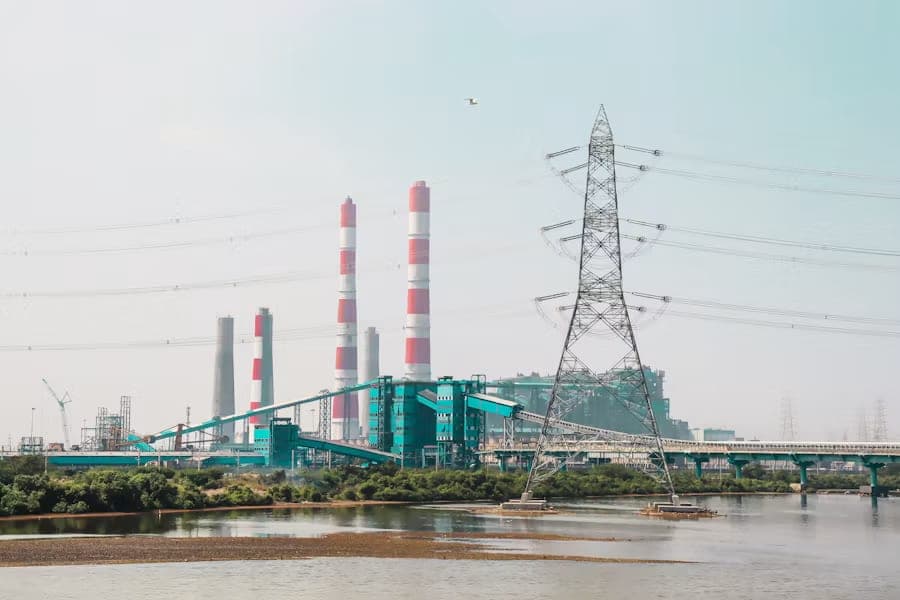
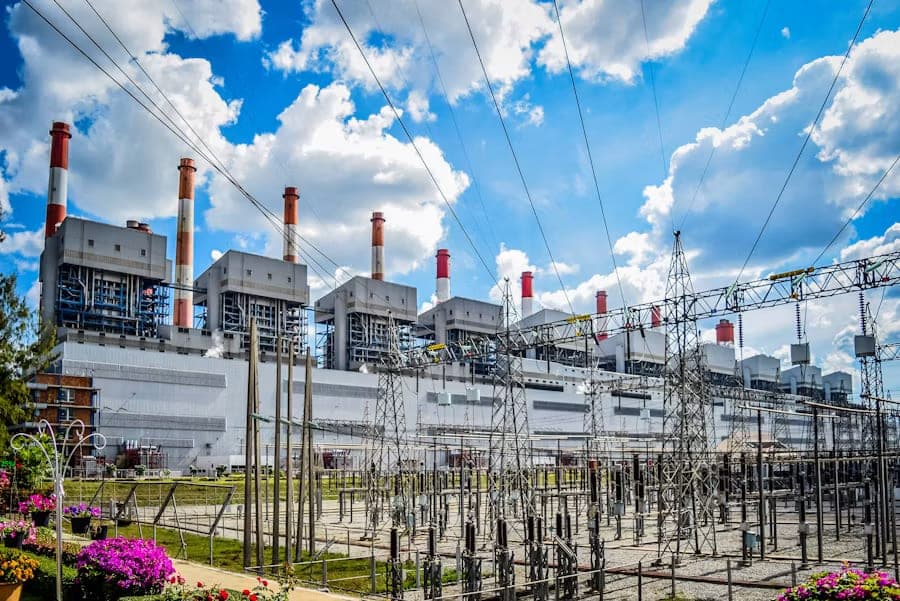
The 1,320 MW Payra plant is the best-known example. For months after it was ready it could send only about half its output to the grid, because the 400 kV line across the Padma was late, while capacity payments of around Tk 130 crore a month continued.[2] Power from Rampal waited on the same line.[3]
The Rooppur nuclear plant needs about 669 km of new transmission lines, and delays to them have pushed back its connection to the grid.[4]
03The constraints a project runs into
- Evacuation capacity. The nearest substation needs spare capacity, or an upgrade that someone has agreed to build and pay for.
- Congested corridors. Where the network between regions is weak, a plant in the wrong place cannot sell all it can make.
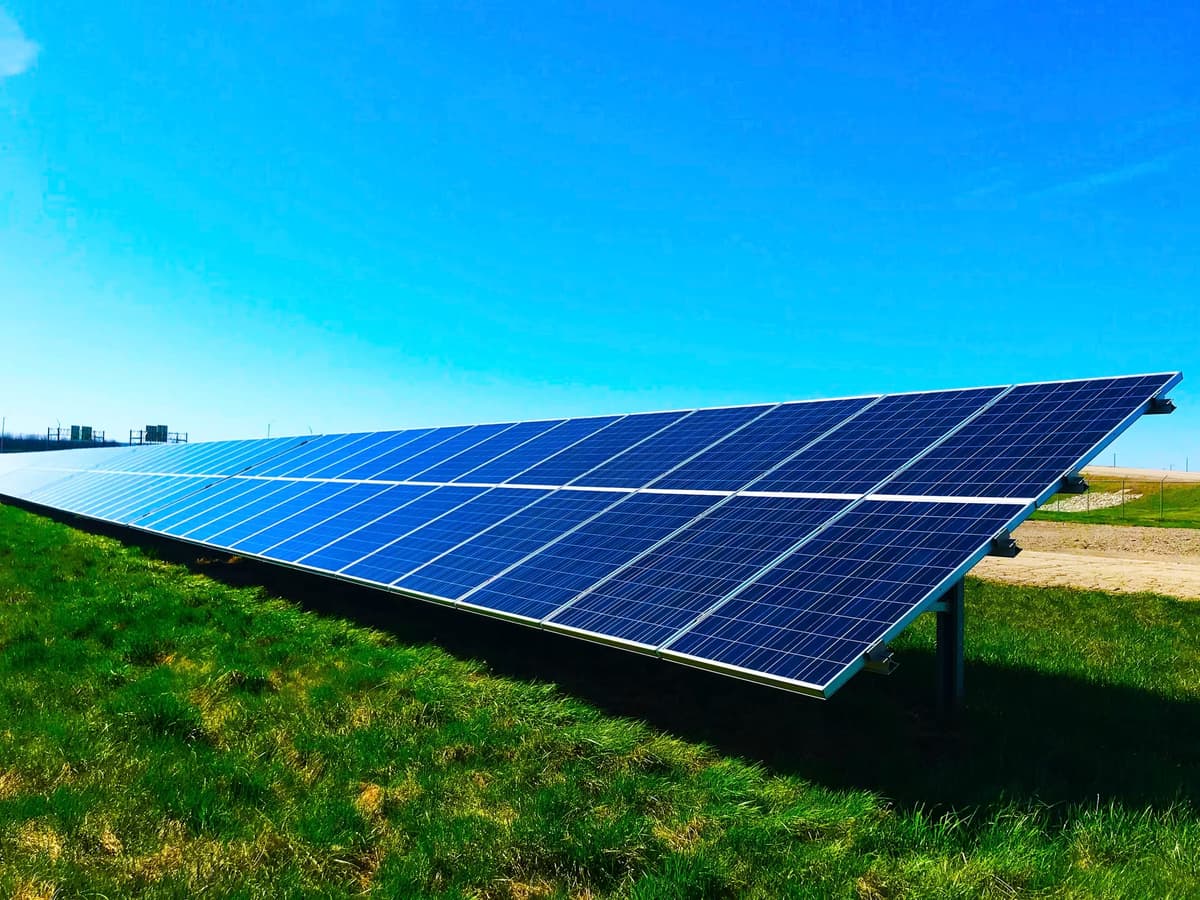
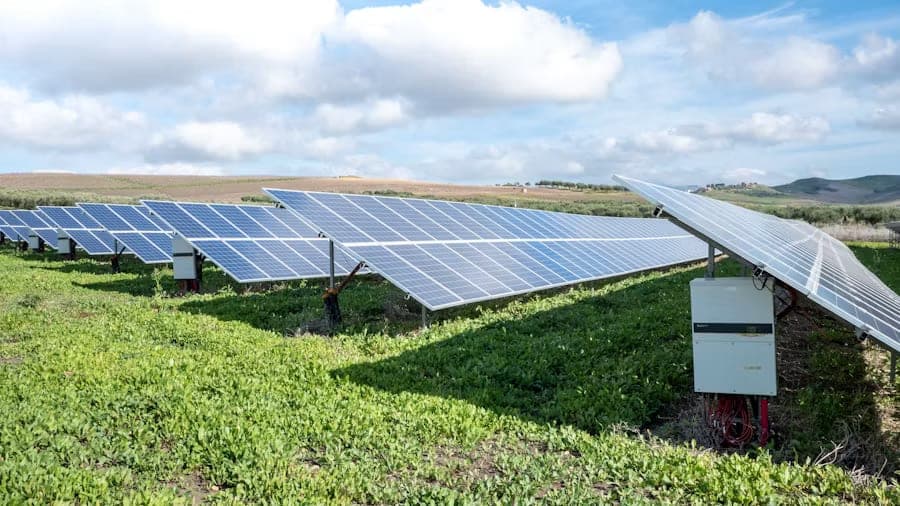
- Variable output. Solar and wind need a grid that can absorb their swings. Under the Renewable Energy Policy 2025, renewables have priority dispatch and must run except in unavoidable situations.[5]
- Curtailment. Under the 2025 merchant power policy, the system operator may limit a plant’s output for system security without compensation.[7]
04Storage: the missing piece
Batteries can move midday solar into the evening peak and steady the grid. More than 150 MW of grid-scale storage has been initiated, but the policy framework sets no targets, procurement route or payment mechanism for it yet.[6]
05What to settle with the grid company early
- Point of connection. The substation, voltage level and route, confirmed with PGCB or the distribution utility.
- Load flow study. Proof that the network can take the plant’s full output, including when a line is out of service.
- Who builds what. The line and bay extension, their cost and their schedule, written into the project agreements.
- Curtailment terms. How often output may be limited, and what happens when it is.
“Settle the grid first. The plant is the part you can control.”