01The 2023 master plan
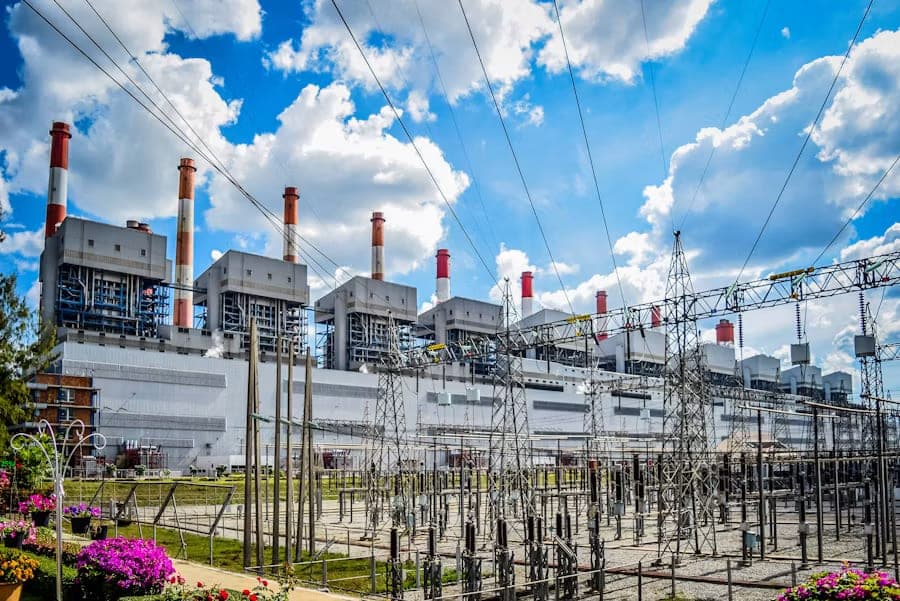
The Integrated Energy and Power Master Plan (IEPMP), adopted in 2023, set a goal of 40 percent of electricity from clean sources by 2041.[1] Critics pointed out that "clean" included nuclear power, hydrogen and ammonia co-firing and carbon capture, and that the plan still projected rising LNG imports.[2]
It also assumed fast growth in demand, with peak demand of about 27 GW by 2030 and 50 GW by 2040.[6]
02A new master plan in 2026
In January 2026 the interim government published a new Energy and Power Sector Master Plan for 2026 to 2050, replacing the IEPMP. It projects demand of about 59,000 MW by 2050 and puts the investment needed at US$177 to 192 billion.[3]
A review by the Centre for Policy Dialogue notes renewables targets of 20 percent by 2030, 30 percent by 2040 and 40 to 50 percent by 2050, but also that the plan still relies on hydrogen, ammonia and carbon capture, and that its demand forecast is, in CPD’s view, still too high.[4]
03Renewables policy and the new government’s targets
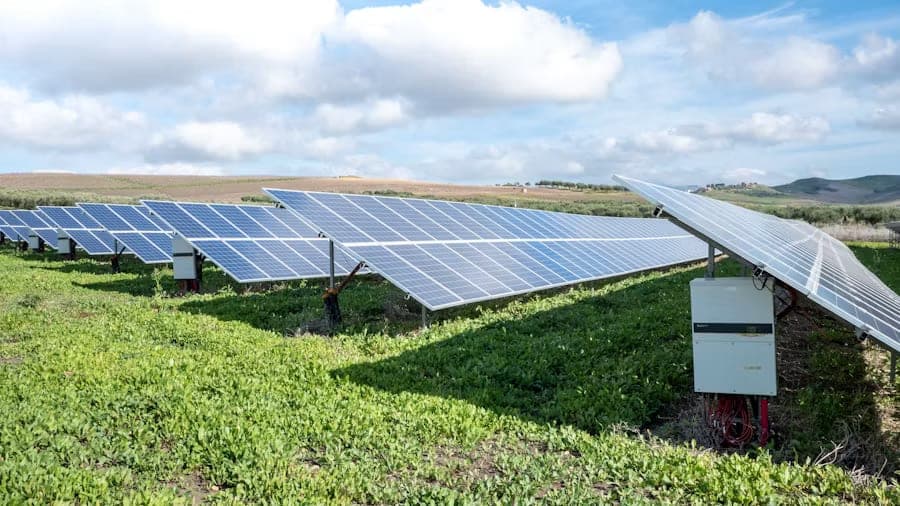
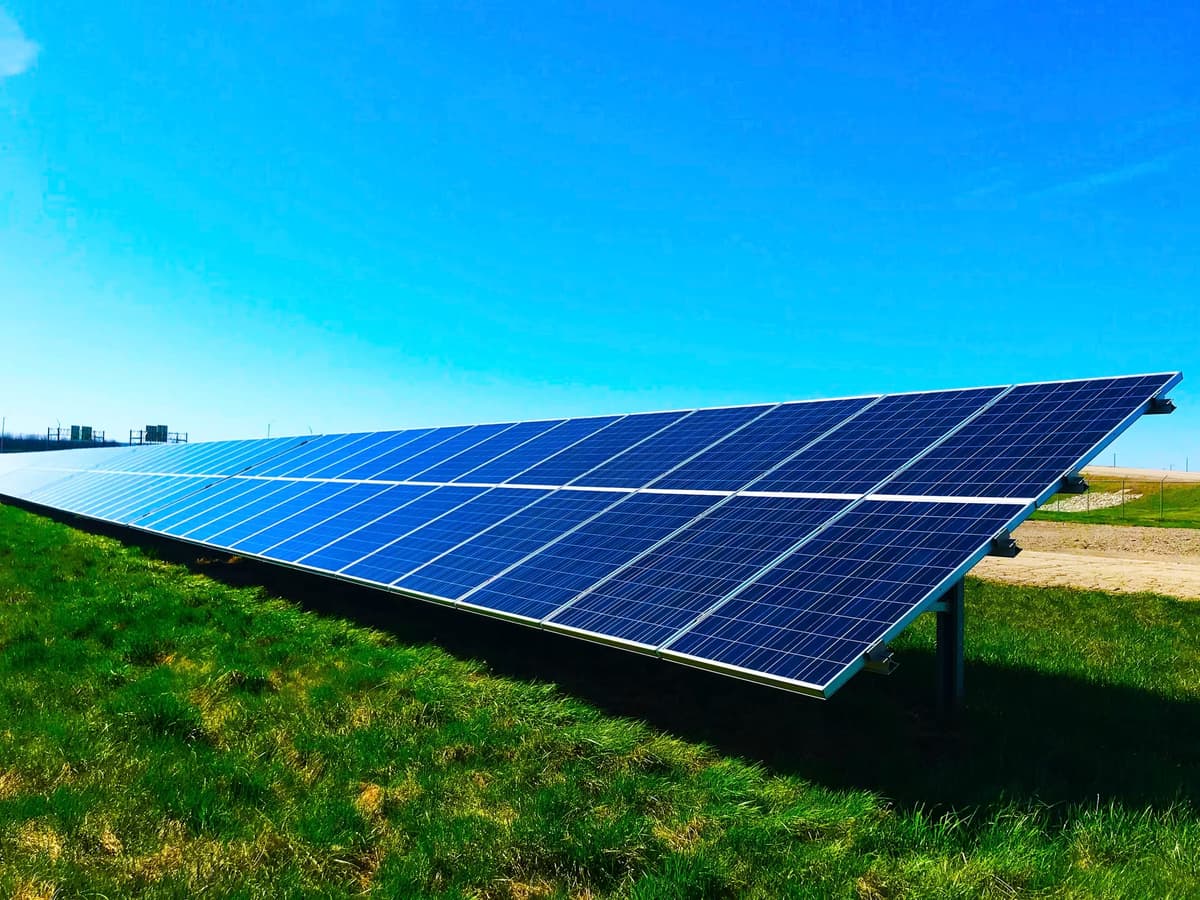
The Renewable Energy Policy 2025, approved in May 2025, set targets of 20 percent of electricity from renewables by 2030 and 30 percent by 2040.[5] The government that took office in February 2026 has set a goal of 10,000 MW of solar by 2030,[8] and in June 2026 it withdrew customs duties on solar equipment and extended a tax holiday for renewable projects.[7]
Gas remains central. The new government’s first 100-day energy programme focused on exploration and 46 wells meant to add 652 million cubic feet of gas a day by FY2026-27.[9]
04Nuclear: Rooppur
The first 1,200 MW unit at Rooppur received its operating licence in April 2026 and completed fuel loading in May 2026.[10][11] With both units running, it will be the largest power plant in the country.
05What a sponsor should take from this
- The direction is clear, the detail is not. Every plan points to more solar, more storage and less oil. The numbers keep moving.
- Demand forecasts are contested. A project that depends on fast demand growth carries more risk than one that cuts costs.
- Policy follows the fuel bill. Projects that reduce imported fuel are the ones policy is built to support.
“Plans change with governments. Fuel costs and physics do not.”