01Capacity is not the problem
On paper Bangladesh has plenty of power plants. The Power Minister told parliament in April 2026 that total generation capacity stood at 32,332 MW, of which 28,919 MW is connected to the national grid; the rest is captive and off-grid capacity.[1]
Demand is well below that. The highest output ever delivered to the grid was 17,200 MW, reached on 20 May 2026, and even that evening about 400 MW of load had to be shed.[2] In FY2024-25 the reserve margin, the capacity kept above peak demand, was 61.3 percent.[7]
02Fuel is the real constraint
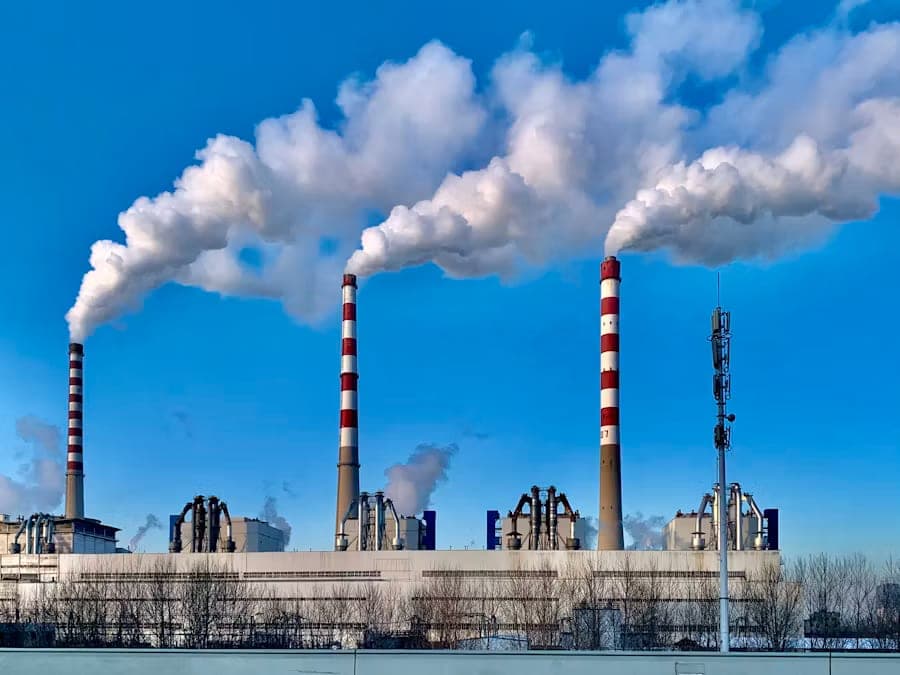
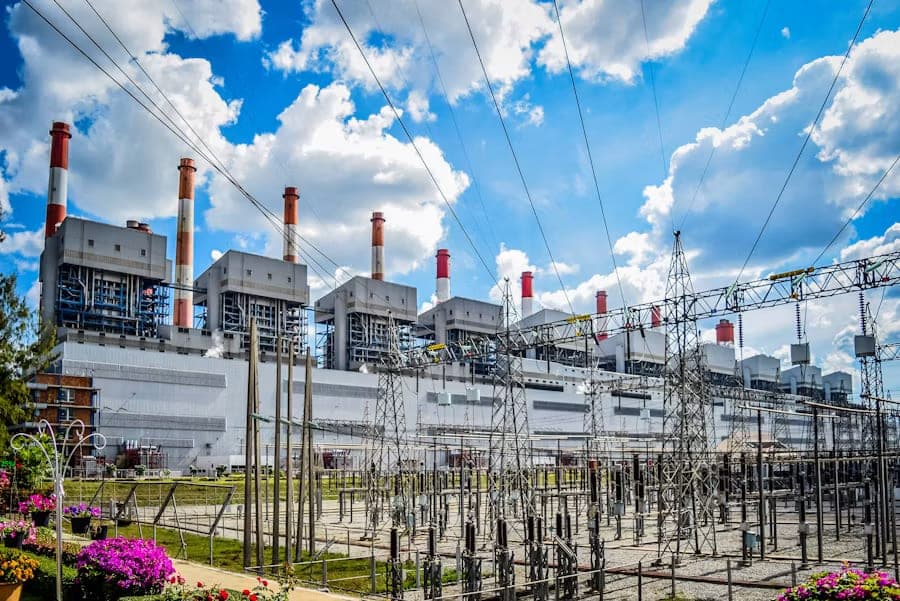
The fleet leans heavily on gas. In May 2026 gas plants made up 12,472 MW of capacity, coal 7,769 MW and oil-fired plants 5,641 MW, with 1,160 MW of imports and less than 1,100 MW of solar, hydro and wind together.[3]
Gas is also what is missing. Domestic fields are declining, and power plants receive only a fraction of the gas they could use: around 900 million cubic feet a day in the spring of 2026, against about 2,524 needed to run every gas plant. Some 60 percent of gas-fired capacity was expected to sit idle through the summer.[4]
When imported LNG falters, the shortfall shows up at once. After a floating LNG terminal went out of service in July 2026, load-shedding reached about 3,000 MW in early August.[5]
03What generation actually looks like
In FY2024-25 the grid produced 101,187 GWh. Gas supplied 44 percent, coal 27 percent, imports 16 percent and furnace oil 11 percent, with solar, hydro and wind about 2 percent between them.[8]
Imports are not cheap. Electricity from Adani’s Godda plant in India, the largest single import contract, cost Tk 14.86 per kWh in FY2024-25.[9]
04Paying for plants that do not run
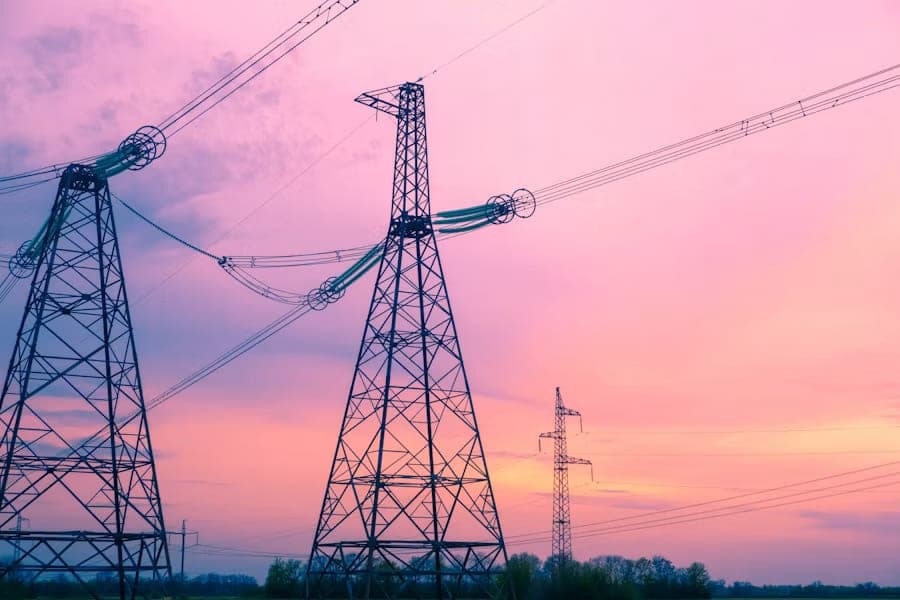
Private plants are paid a capacity charge for being available, whether or not they are dispatched. As more plants sat idle for lack of fuel, those payments rose: Tk 25,000 crore in FY2022-23, Tk 32,000 crore in FY2023-24 and Tk 42,000 crore in FY2024-25.[6]
That is the sector’s central tension. Adding capacity no longer solves load-shedding. Securing fuel, cutting the cost of each unit generated and moving electricity to where it is needed do.
“Bangladesh does not need more megawatts on paper. It needs megawatts it can fuel and pay for.”
05What this means for a new project
A new proposal is judged against this background. The projects that move are the ones that lower the fuel bill or the cost per unit, rather than adding to the capacity charge:
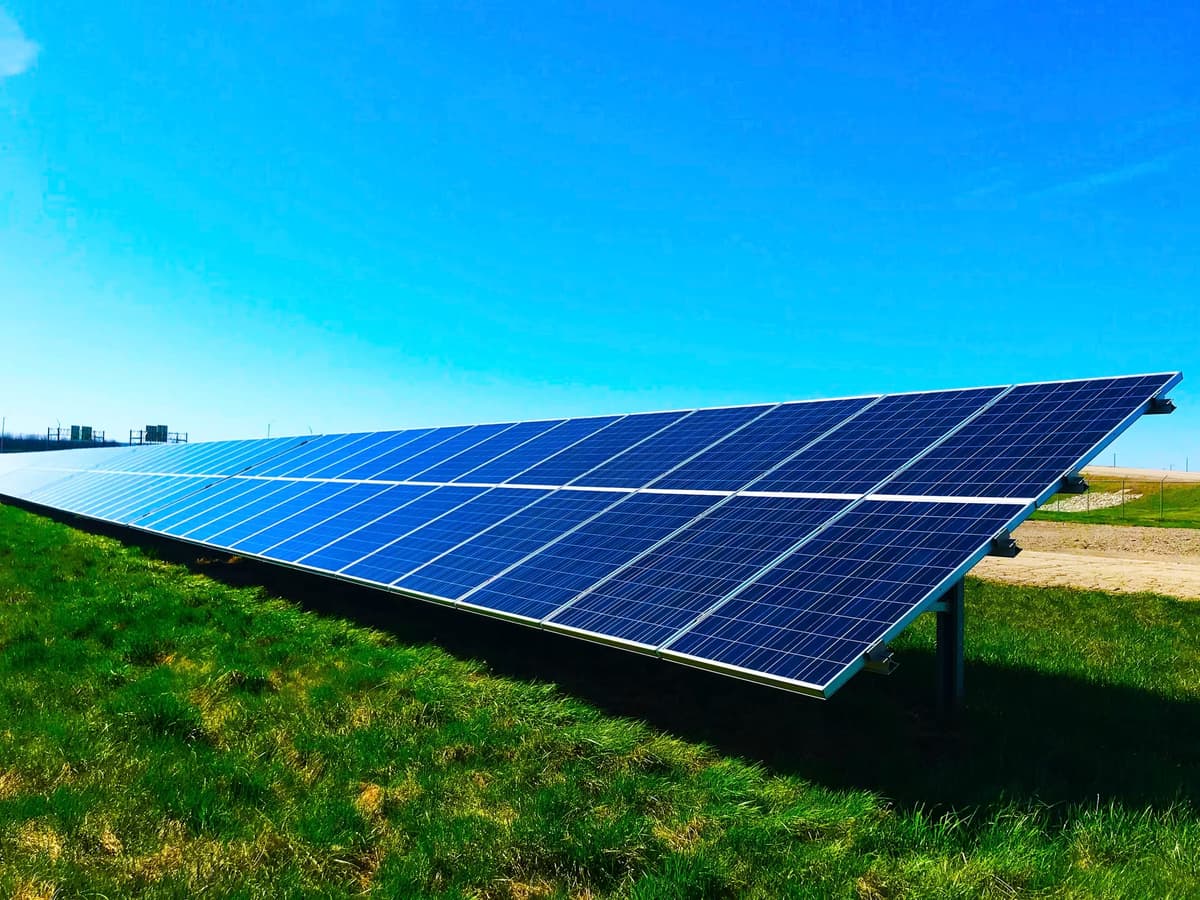
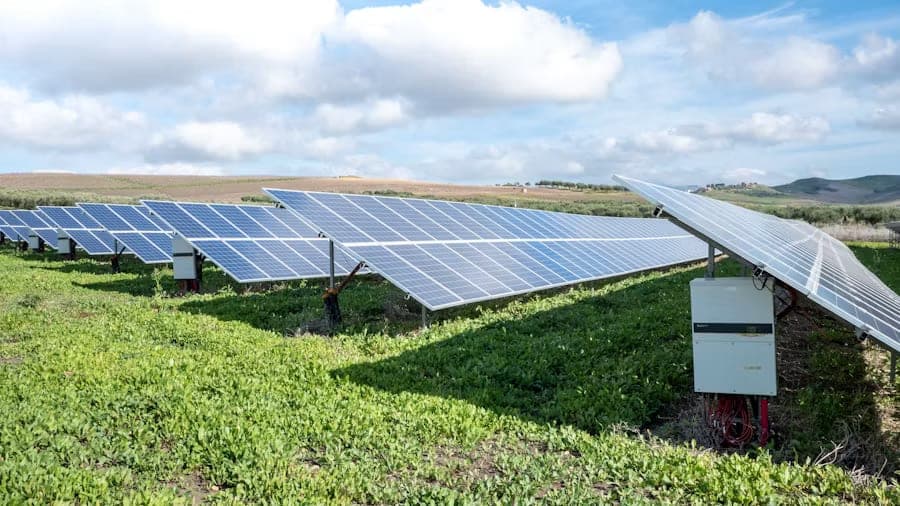
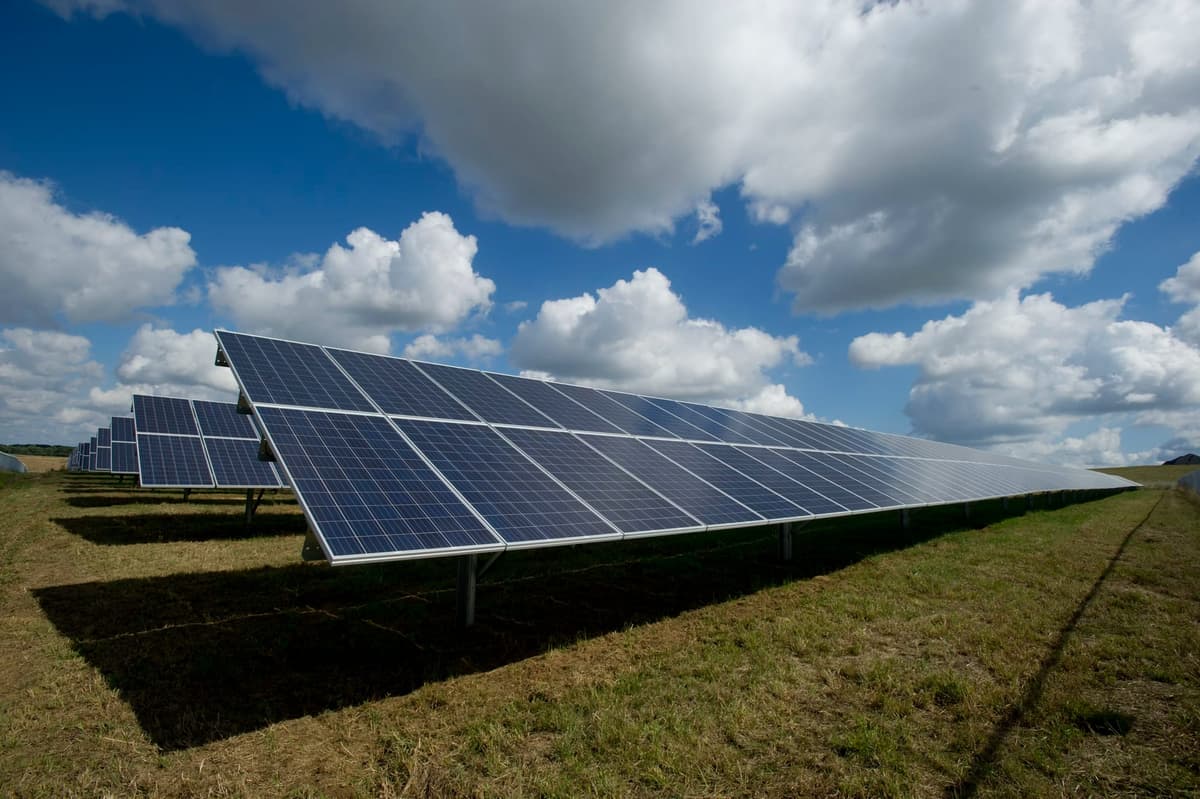
- Solar and other renewables. No fuel to import, and competitive bids have come in well below older tariffs.[10]
- Efficient gas and storage. Plants and batteries that get more electricity out of scarce gas, or move solar into the evening peak.
- Grid and fuel infrastructure. Transmission and supply projects that let existing plants run.
For sponsors, that means building the case around cost per kWh, fuel security and grid access from the very first study.